


-

Add: HeBei ShengShi HongBang Cellulose Technology CO.,LTD.
-

Email
13180486930@163.com -

CONTACT US
+86 13180486930


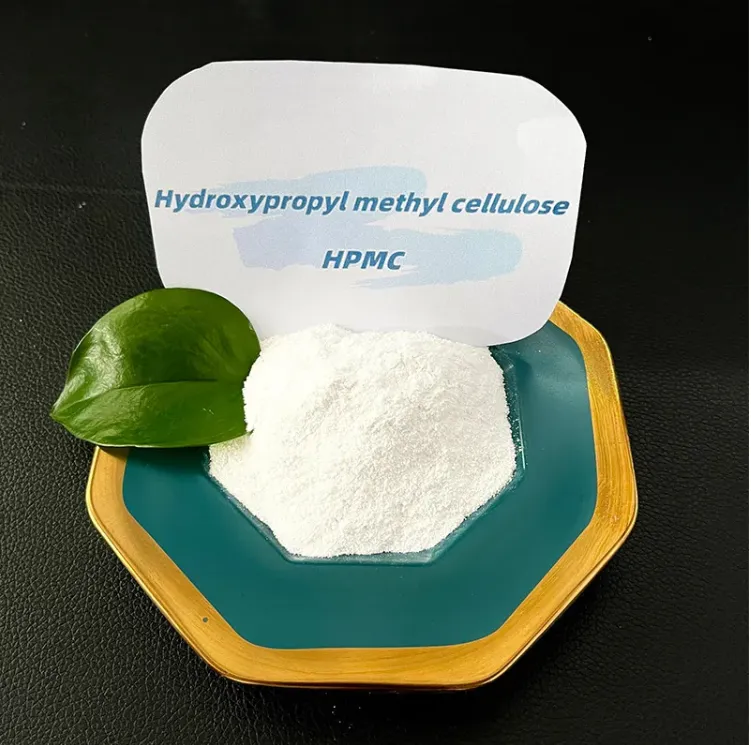


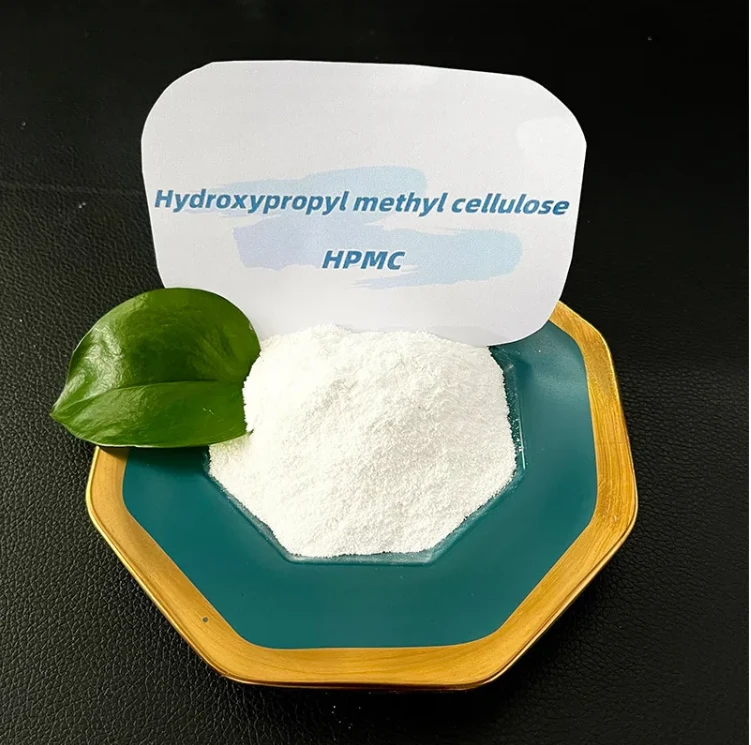
Cracking is a persistent challenge in cementitious products, undermining structural integrity and durability. Fortunately, hydroxypropyl methyl cellulose (HPMC) has emerged as a game-changing additive, effectively mitigating this issue. Hydroxypropyl methyl cellulose hpmc and hydroxypropyl methylcellulose variants enhance the performance of cement mixes, making them more resilient to cracks caused by shrinkage, temperature changes, or stress. Hebei ShengShi HongBang Cellulose Technology CO.,LTD, a professional HPMC manufacturer with over 20 years of experience, located in Hebei Province’s Xinji clean chemical industry park with excellent transportation links, specializes in producing high-quality hydroxypropyl methyl cellulose using advanced German technology. Their daily production capacity of 80–100 tons and export reach to over 30 countries make them a reliable partner for wholesalers serving the construction industry. This article explores how HPMC reduces cracking in cementitious products, highlighting its benefits and applications. Role of Hydroxypropyl Methyl Cellulose in Cement Mixes Water Retention Enhancement: Hydroxypropyl methyl cellulose acts as a powerful water-retention agent in cementitious mixes. By slowing down the evaporation of water, it ensures the cement has sufficient time to hydrate fully. Incomplete hydration is a major cause of shrinkage cracking, so proper water retention helps the mixture cure evenly, reducing internal stresses. Wholesalers can emphasize that this property is especially valuable in hot or windy environments, where rapid water loss is common. Improved Workability: Adding hydroxypropyl methyl cellulose to cement mixes enhances their plasticity and workability. This allows for easier pouring, spreading, and finishing without the mix drying out too quickly. A more workable mix reduces the need for excessive water addition (which can weaken the cement and increase shrinkage), thereby lowering the risk of cracking. Hebei ShengShi HongBang’s HPMC products are formulated to balance workability with strength, catering to diverse construction needs. Film-Forming for Cohesion: Hydroxypropyl methyl cellulose forms a thin, flexible film within the cement matrix as the mix cures. This film acts as a bridge between particles, improving the material’s cohesion and tensile strength. Enhanced tensile strength helps the cement resist cracking when subjected to external forces, such as structural loads or ground movement. Mechanisms of Hydroxypropyl Methylcellulose in Cracking Reduction Shrinkage Control: Cementitious products often crack due to plastic shrinkage (during setting) or drying shrinkage (after curing). Hydroxypropyl methylcellulose minimizes these effects by regulating water distribution. It reduces the rate of volume loss as water evaporates, preventing the formation of microcracks that can expand over time. This is crucial for large-scale applications like concrete slabs or walls, where shrinkage-related cracks are most problematic. Air Entrainment Regulation: Hydroxypropyl methylcellulose can help stabilize air bubbles in cement mixes, though to a lesser extent than dedicated air-entraining agents. These tiny bubbles act as buffers, absorbing stress from temperature changes or freeze-thaw cycles. By reducing internal pressure, they lower the likelihood of cracking in harsh climates. Hebei ShengShi HongBang’s HPMC products are engineered to provide consistent air entrainment, ensuring reliable performance across different environments. Adhesion Promotion: The adhesive properties of hydroxypropyl methylcellulose improve the bond between cement particles and aggregates. A stronger internal bond makes the material more resistant to cracking under stress, such as when subjected to heavy loads or vibrations. This is particularly beneficial for structural elements like beams, columns, or precast components. Types of Hydroxypropyl Methyl Cellulose HPMC for Specific Applications HPMC Type Viscosity Range Best For Cracking Reduction Benefit Low-Viscosity HPMC 5,000–10,000 cP Mortars, tile adhesives Enhances workability and water retention for thin applications. Medium-Viscosity HPMC 15,000–40,000 cP Concrete mixes, self-leveling compounds Balances cohesion and shrinkage control for structural use. High-Viscosity HPMC 60,000–100,000 cP Grouts, repair mortars Provides superior water retention for slow-curing applications. This table helps wholesalers match hydroxypropyl methyl cellulose hpmc types to specific cementitious products, ensuring optimal cracking reduction based on the application’s requirements. Practical Benefits of Hydroxypropyl Methyl Cellulose for Construction Professionals Reduced Repair Costs: By minimizing cracking, hydroxypropyl methyl cellulose lowers the need for costly repairs and maintenance. This is a significant advantage for contractors and developers, as cracked concrete or mortar can lead to structural issues, water infiltration, and aesthetic flaws. Using HPMC translates to long-term savings and higher client satisfaction. Versatility Across Mixes: Hydroxypropyl methylcellulose works effectively in various cementitious products, including mortar, concrete, grout, and stucco. This versatility makes it a staple additive for construction projects of all scales, from residential renovations to large infrastructure developments. Wholesalers can highlight that Hebei ShengShi HongBang offers customizable HPMC grades to suit different mix designs. Compliance with Standards: High-quality hydroxypropyl methyl cellulose hpmc meets international construction standards for performance and safety. This ensures that cementitious products using HPMC are reliable and fit for purpose, giving contractors confidence in their materials. Hebei ShengShi HongBang’s 100% product quality rate guarantees compliance with global regulations, making their HPMC a trusted choice. Hydroxypropyl Methyl Cellulose FAQS What Dosage of Hydroxypropyl Methyl Cellulose Prevents Cracking? Typically, 0.1–0.5% of hydroxypropyl methyl cellulose by weight of cement is sufficient to reduce cracking. The exact dosage depends on the mix design and application—for example, high-shrinkage mixes may require higher amounts. Hebei ShengShi HongBang provides technical support to help wholesalers and clients determine optimal dosages. Does Hydroxypropyl Methylcellulose Affect Cement Strength? No, when used in appropriate dosages, hydroxypropyl methylcellulose does not weaken cementitious products. Instead, it enhances tensile strength and cohesion, improving overall durability. Overdosing may slightly reduce compressive strength, so following recommended dosages is key. Can Hydroxypropyl Methyl Cellulose HPMC Withstand Freeze-Thaw Cycles? Yes. Hydroxypropyl methyl cellulose hpmc improves freeze-thaw resistance by promoting better water retention and air entrainment. This makes it ideal for cementitious products used in cold climates, where freeze-thaw cycles are a common cause of cracking. Is Hydroxypropyl Methylcellulose Compatible with Other Additives? Absolutely. Hydroxypropyl methylcellulose works well with plasticizers, accelerators, and retarders, allowing for customized mix designs. It complements other additives to enhance overall performance without adverse interactions, making it a flexible choice for diverse construction needs. Where Can Wholesalers Source Reliable Hydroxypropyl Methyl Cellulose? Hebei ShengShi HongBang Cellulose Technology CO.,LTD offers premium hydroxypropyl methyl cellulose and hydroxypropyl methylcellulose products, designed to reduce cracking in cementitious materials. Visit their website to explore their range and partner with a manufacturer renowned for quality and consistency in the construction industry.
- 40000tons

Production
- 20+years

Experience
- 5000+㎡

Acreage

-
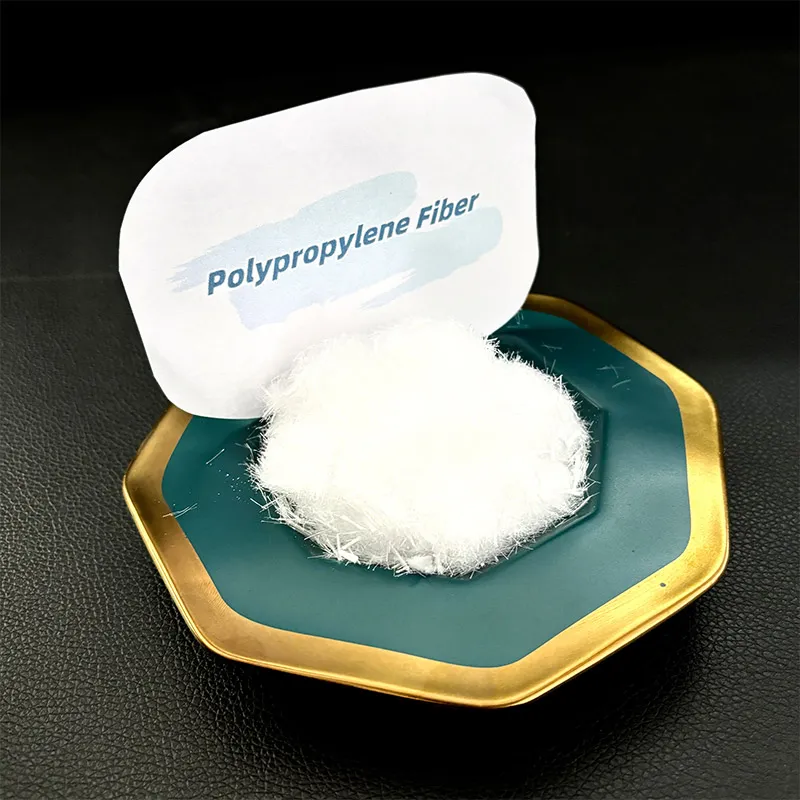
Hydroxypropyl methylcellulose (HPMC) is a versatile cellulose ether that has gained significant traction in various industries, particularly in construction. Its unique properties make it an essential additive in construction materials, enhancing performance and improving the overall quality of building products. This article explores the applications of HPMC in construction, highlighting its benefits and contributions to the industry. What is Hydroxypropyl Methylcellulose? HPMC is a non-ionic, water-soluble polymer derived from cellulose, a natural polymer found in plant cell walls. It is produced through the chemical modification of cellulose, resulting in a compound that exhibits excellent thickening, binding, and film-forming properties. HPMC is available in various grades, each tailored for specific applications, making it a highly adaptable material in construction. Applications of HPMC in Construction Cement-Based Products : One of the primary applications of HPMC in construction is in cement-based products such as mortars, plasters, and tile adhesives. HPMC acts as a thickening agent, improving the workability and consistency of these materials. It enhances the adhesion properties, allowing for better bonding between surfaces, which is crucial for the durability of structures. Water Retention : HPMC is known for its excellent water retention capabilities. In construction, this property is vital for preventing the premature drying of cementitious materials. By retaining moisture, HPMC ensures that the hydration process of cement continues effectively, leading to stronger and more durable concrete. This is particularly important in hot and dry climates where evaporation can compromise the integrity of the mix. Improved Open Time : The open time of a material refers to the period during which it remains workable after application. HPMC extends the open time of mortars and adhesives, allowing construction workers to adjust and reposition tiles or other materials without the risk of the adhesive setting too quickly. This flexibility is essential for achieving precise alignments and finishes in construction projects. Enhanced Flexibility and Strength : The incorporation of HPMC into construction materials can significantly enhance their flexibility and tensile strength. This is particularly beneficial in applications where materials are subjected to stress and movement, such as in flooring systems and wall panels. The improved flexibility helps to reduce the risk of cracking and other forms of damage, contributing to the longevity of the structure. Eco-Friendly Solutions : As the construction industry increasingly shifts towards sustainable practices, HPMC offers an eco-friendly alternative to traditional additives. Being derived from natural cellulose, HPMC is biodegradable and non-toxic, making it a safer choice for both workers and the environment. Its use in construction aligns with the growing demand for green building materials. Compatibility with Other Additives : HPMC is compatible with a wide range of other additives used in construction, such as polymers, pigments, and other cellulose derivatives. This compatibility allows for the formulation of customized products that meet specific performance requirements, making HPMC a valuable component in the development of innovative construction materials. The application of hydroxypropyl methylcellulose in construction is a testament to its versatility and effectiveness as an additive. From improving workability and water retention to enhancing flexibility and strength, HPMC plays a crucial role in the performance of various construction materials. As the industry continues to evolve, the demand for high-quality, sustainable building products will likely drive further innovations in the use of HPMC, solidifying its position as a key ingredient in modern construction practices.
-
The Exploration of VAE for Dimensionality Reduction In the field of machine learning, Variational Autoencoders (VAEs) have emerged as a powerful tool for generative modeling and dimensionality reduction. VAEs are a type of neural network architecture that provides a probabilistic graphical model for data representation, enabling the capturing of intricate patterns in high-dimensional spaces. At its core, a VAE consists of two main components an encoder and a decoder. The encoder maps the input data to a lower-dimensional latent space, while the decoder generates data from this latent representation. The key aspect of VAEs is that they adopt a probabilistic approach, encoding inputs as distributions (typically Normal distributions) rather than deterministic points. This introduces a level of variability and allows for the generation of diverse outputs from a learned representation. . A crucial aspect of training VAEs is the objective function, which combines two key components the reconstruction loss and the Kullback-Leibler (KL) divergence. The reconstruction loss measures how well the output matches the input, typically using a loss function like mean squared error for continuous data or binary cross-entropy for binary data. The KL divergence, on the other hand, quantifies how closely the learned distribution approximates a prior distribution, often chosen as a standard Gaussian. This dual objective encourages both accurate data reconstruction and effective learning of the latent variable distribution. vae дахин тархах нунтаг One of the significant advantages of using VAEs for dimensionality reduction is their ability to capture complex data distributions. Traditional methods like Principal Component Analysis (PCA) often fail to capture nonlinear relationships in the data. VAEs, by leveraging deep learning, can model intricate structures more effectively, making them suitable for high-dimensional datasets such as images or complex time series. Applications of VAEs span a wide range of fields. In computer vision, they can generate new images by sampling from the latent space, making them valuable for creative tasks such as image synthesis and style transfer. In the biomedical domain, VAEs can analyze high-dimensional genomic data, identifying underlying patterns that can inform disease prediction models. Additionally, they hold promise in collaborative filtering systems, enhancing recommendations by learning user preferences in a continuous latent space. Despite their strengths, VAEs also come with challenges. For instance, one may experience the posterior collapse phenomenon, where the KL divergence becomes too small, leading the model to ignore the latent variable entirely. To mitigate this issue, various techniques have been developed, such as using more complex priors or employing hierarchical VAEs. Moreover, interpreting the learned latent spaces can be difficult due to their abstract nature. While they provide a compressed representation of the data, understanding what features or dimensions correspond to specific aspects of the data remains an ongoing research area. In summary, Variational Autoencoders represent a significant advancement in the realm of machine learning, particularly for dimensionality reduction and generative modeling. Their ability to capture the underlying structure of complex high-dimensional data makes them a powerful tool in various domains. As research progresses, improvements in architecture, training methods, and interpretability are likely to further enhance their applicability, paving the way for innovative solutions to real-world problems. The intersection of creativity and computational power that VAEs embody makes them a fascinating area of exploration in modern data science.
advantages
-

200000 Viscosities
Excellent product
We can produce pure products up to 200,000 viscosities
-

40000 tons
High yield
We don’t stop production all year round, and the annual output can reach 40,000 tons
-

24 hours
Quality service
We provide 24-hours online reception service, welcome to consult at any time
———— Inquiry Form
Schedule A services
-
 beton_bertulang_serat_poli
Oct . 25, 2025
The Hydroxypropyl Methylcellulose (HPMC) market has witnessed remarkable growth over recent years, a -
 rubber_powder_price_per_ton
Oct . 25, 2025
Hydroxypropyl Methylcellulose (HPMC) has seen a surge in demand across various industries, making th -
 polipropileno_reforzado_con_fibra_de_vidrio
Oct . 25, 2025
Long glass fiber reinforced polypropylene is revolutionizing the way industries approach manufacturi


